
We remember deadlines,
not your bank password.
No Plaid. No bank login. No full card number.
Your data stays private and in your control.
Our promise to you
- We never access your bank accounts.
- We never see your logins or passwords.
- We never collect full card numbers.
- We never sell your data.
- We put privacy into our product by design, not as an afterthought.
Your information is encrypted
in transit and at rest.
How statement scanning works
You choose a statement
We read your PDF in your browser, by rules. If we can't read your bank yet, we send it to a document-reading service we use, which reads by rules, not AI, and is set to delete the file after a day.
Read by rules, never by AI
No AI reads your statement. Your browser reads it with fixed rules for the issuer's layout and shows you what it found; a bank we can't read yet goes to a document-reading service we use, which also reads by rules. We keep what it says about this card's benefits — credits that posted, the annual fee, the issuer's notices, fees and interest year to date, your points balance, and purchases only at merchants your credits cover — never the file and never your other purchases, plus a scan record and the credit lines saved from it. You can delete it from the card's page, under Use Credits.
Proven credits are added for you
A credit the issuer printed that clearly matches one of your benefits by name is added, with an Undo. Anything we can't place, you choose — and you can edit or remove any credit later.
Your verdict updates
Saved credits are applied to your verdict. You can undo or edit any of them, so the final numbers stay yours.
What we never ask for
- Bank login credentials
- Online banking access
- Full credit card numbers
- Social Security numbers
- Account balances
- Payment history
We don't need access to your bank to help you understand your card value.
What data we store
- Card and issuer information you add
- Credits saved from your statements or logged by you
- Scan metadata and matched transaction details needed for your results
- Your saved verdicts, preferences, and reminders
We do not store the original file or full statement text on your account. We may retain scan metadata and matched transaction details needed for your results. See the full list of third parties that can process your data in our Privacy Policy.
What You Control
You can delete your account and saved data from Settings. See our Privacy Policy for details about how deletion is processed.
Why privacy is built into WorthTheFee
Privacy by design
We built our product to work without connecting to banks or using data aggregators.
Minimal by default
We collect the minimum data needed to calculate your card value.
Secure by standard
We use industry-standard encryption and security practices.
Built for real people
We respect your privacy because we're users too.
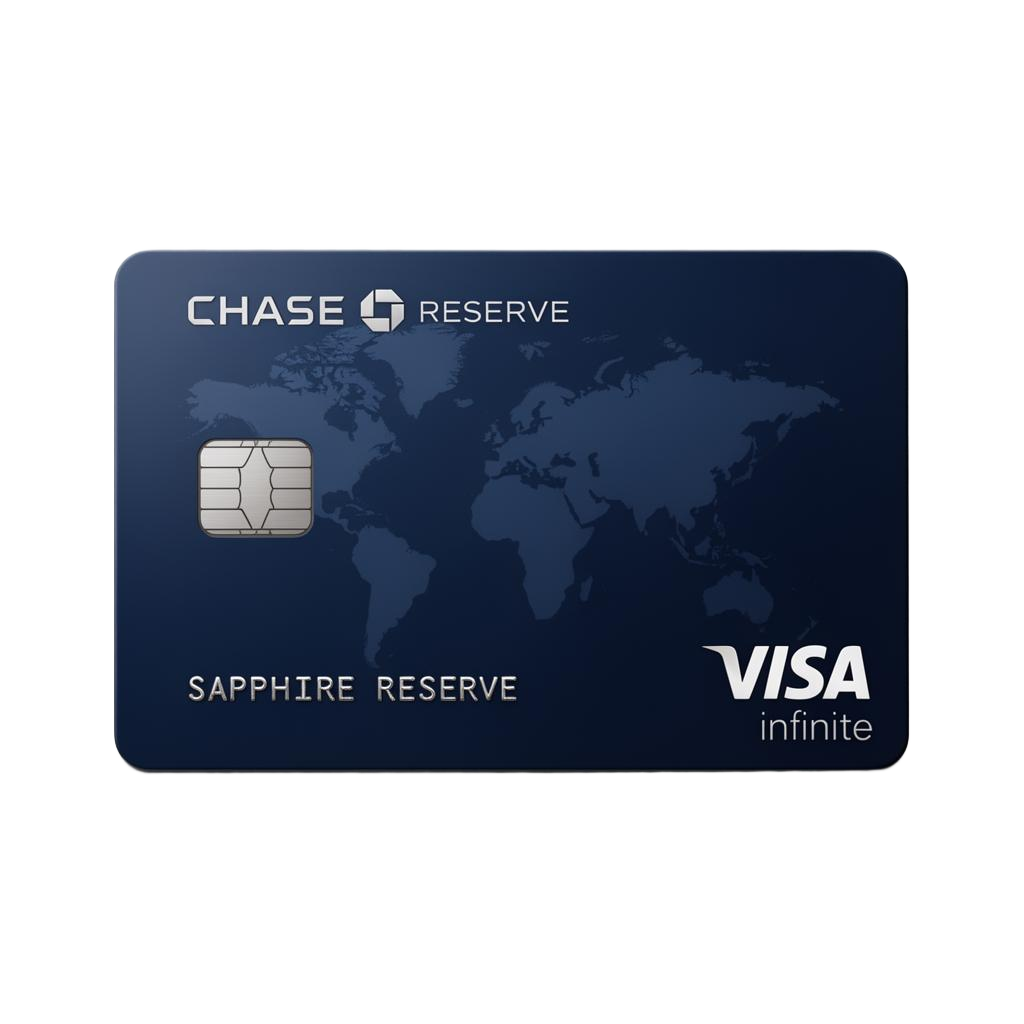
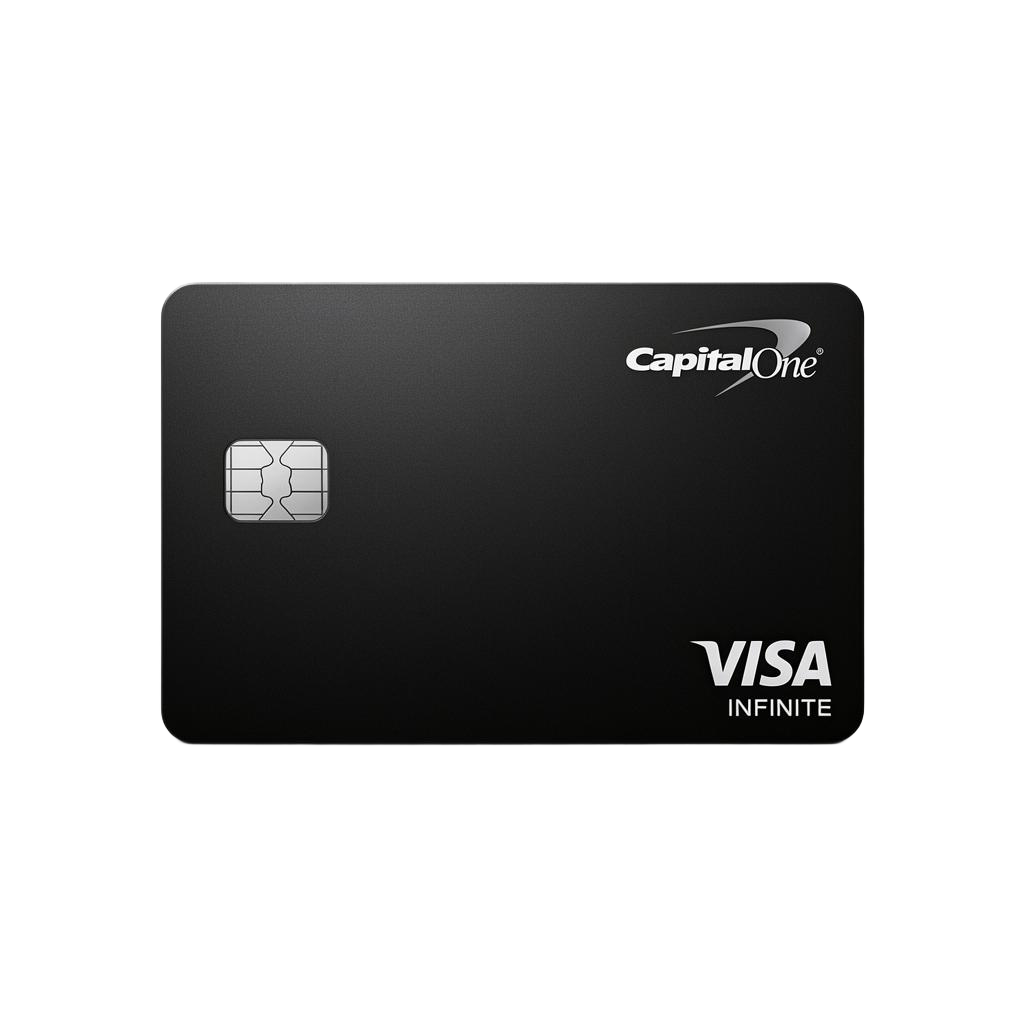

Your data. Your decisions. Your value.
Start tracking your cards with confidence.
- No bank login
- No Plaid
- No full card number
- You stay in control